The Smell of Home
On leaving, distance and the places we carry with us
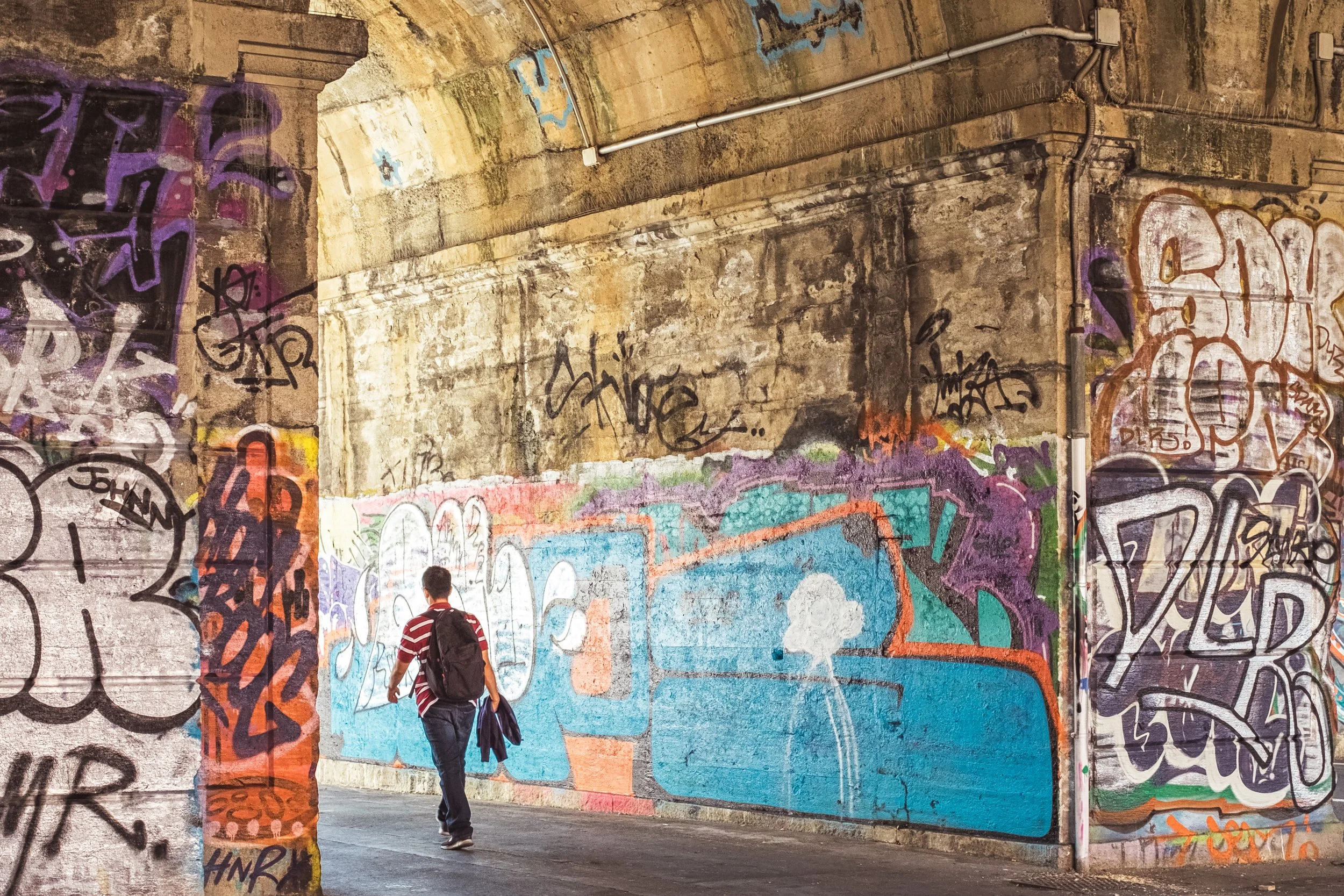
When you arrive somewhere new, the first sensation is often one of wonder.
Even in the face of the obvious.
The architecture, the smells, the colours: everything seems different, even when it really isn't.
This fascination often stays with us during a holiday, a business trip, a weekend somewhere else. The air smells different; it hardly matters whether it is a bucolic countryside landscape or a chaotic, polluted city. It is not the smell of home.
But what happens when the very idea of home changes?
To move abroad, for instance, means choosing a new place, one that comes with new colours, new sounds and new smells.
What does a new home sound like?
At first, it is almost always a wonderful melody. But those notes can disperse over time, blending into the background noise of everyday stress. That new music fades into the memory of old harmonies, and the fusion risks turning into cacophony.
The disappointment that follows burns from within.
The concept of home becomes elusive.
Take, for example, these lines by Francesco Deotto from Avventure e disavventure di una casa gialla [L’arcolaio, 2023]:
Five large blocks
Practically inhomogeneous
in every respect.
In shape, age, layout,
state of repair,
expectations of survival
(and revival), ambitions,
desirability, and so on.
A familiar place suddenly becomes hostile territory, something to be feared: something to be afraid of.
A graphic novel by Paco Roca, aptly titled La casa [Astiberri, 2015], explores the dissolution of memories alongside the death of the person who lived in a house for many years — in the Spanish cartoonist's case, his father. Yet the real confrontation is with oneself, with one's own fears. Plunging into a forgotten atmosphere, that of a place known and, at the same time, made strange by distance.
A central theme of modern literature. A painful one.
Jesús Carrasco's Llévame a casa [Seix Barral, 2021], as well as Abbas Khider's Der Erinnerungsfälscher [Hanser, 2021], confront the themes of loss and distance, something every person living abroad fears almost more than death itself. Losing someone you love and not being there to do anything; often not even being able to take part in the grieving, because life simply does not allow it.
The trauma of loss is the opposite of that of birth.
It is an act of violence, yes, but one that leads not to growth, but to being lost.
To emigrate means to die and be reborn, to lose contact with the past and hope for a new future. In the meantime, there is a present that feels like limbo, where one has to rebuild one's soul and lay the foundations for a happiness that, more often than not, remains a grand illusion.
Being happy is a luxury today: but that is another story.