Looking Down
On bridges, the void and the questions we cannot escape
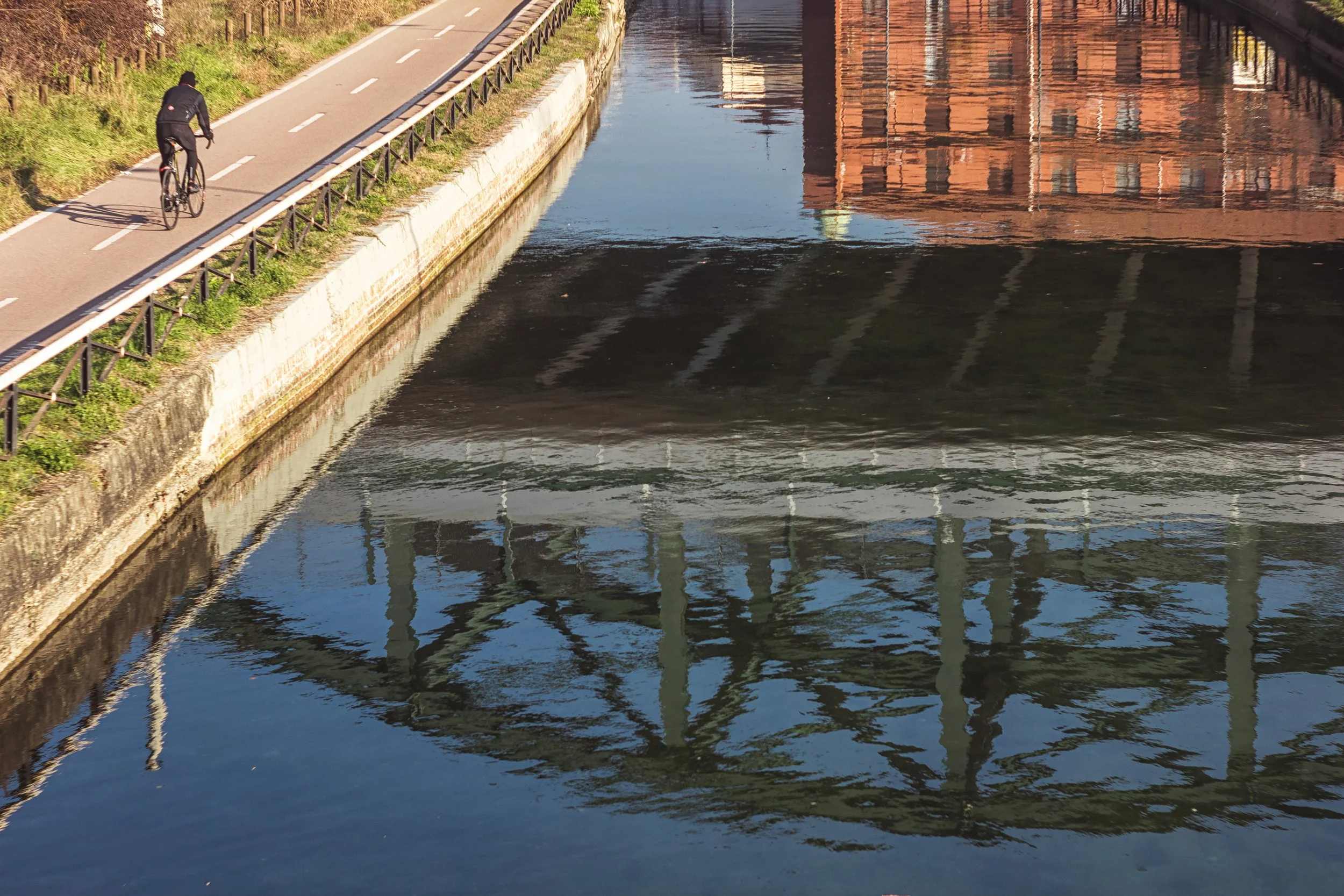
Bridges are extensions of land that allow us to cross spaces that would otherwise be alien and impossible to traverse.
Los puentes que nos unen / No son puentes, son abrazos
That is how Madrid-based band Vetusta Morla sing of them. The bridges that connect us / are not bridges, but embraces.
And yet bridges can also be frightening. Because they do not conceal the void beneath them, that vastness that so often turns into a dark loneliness, into spiralling thoughts that can drive us towards extreme acts.
One of the world's most famous bridges, San Francisco's Golden Gate, holds the record for suicides: since 1937, 2,000 people have jumped over its barriers.
The water flowing by, carrying everything away. Panta rei, the Greeks used to say. There is also a famous Chinese proverb that suggests we should not seek revenge, but instead sit on the bank of a river and wait until we catch sight of the corpse of our enemy.
But what if that enemy had jumped from a bridge? What if that enemy were ourselves?
In a pivotal scene from the TV series La meglio gioventù [directed by Marco Tullio Giordana, 2003], which traces the history of Italy over three decades through the ritual passage of two brothers from adolescence into adulthood, one of the protagonists throws himself from a balcony on New Year's Eve after wishing the audience, looking directly into the camera, a «Happy New Year». There is a well-known custom of throwing old and worthless objects from balconies just before the new year begins, but this symbolic act of throwing something away is extraordinarily powerful. The old self is meant to be discarded — except that there is no room for a new one. That desperate leap represents nothing but the end of everything.
Austrian writer Mareike Fallwickl employs a similar narrative device in Die Wut, die bleibt [Rowohlt, 2023]. A mother of three suddenly throws herself into the void. An unexpected act that opens up unforeseen possibilities.
So can the end become a new beginning?
A dear friend of mine, also a writer, Stefano di Marino, died by suicide in 2021 in the same way. None of us saw it coming. Crisis, the pandemic and family problems drove a stable person to an extreme act. I have often wondered what I would have done in his place, if I had found myself standing on that same balcony.
Looking down from a bridge, confronting the void with your eyes wide open, is often frightening.
Not so much because of the idea of pain, but because of the possibility of opening your mind to dangerous thoughts.
When I was a child, we had a mentally unstable neighbour. He lived in a run-down social housing flat, surrounded by dirt, hoarding rubbish and paying no attention to his personal hygiene. He owned a gun, and every now and then he would come out naked onto the landing and fire a couple of shots into the walls. My mother was terrified, but there was nothing anyone could do. The social services were unable to deal with an acute psychotic crisis of that kind. The solution was a leap into the void. Eight floors. I still remember the naked body, covered with a white sheet, one summer morning as my parents walked me to kindergarten. The screams, the tension. The new neighbours, a family much like ours, were like a breath of fresh air. The madman who had thrown himself from the balcony was soon forgotten.
What does it mean to throw yourself from a bridge without a safety net?
We are obviously not talking about paragliding or bungee jumping. We are not talking about adrenaline or extreme sports.
Sometimes life asks questions so uncomfortable that the only way out is to run away.
This is not a long bridge, but it goes on for ever. I am not far from the bank, but I will never get there. I walk but I never move. Fast or slow, running, turning, doubling back, jumping, throwing myself or stopping; nothing makes any difference. [Iain Banks, The Bridge, 1986]
To throw yourself into the void in the hope of finding yourself again. Or perhaps simply to leave no trace of your immense desolation.